J300 Pančevo opens with two junior singles draws
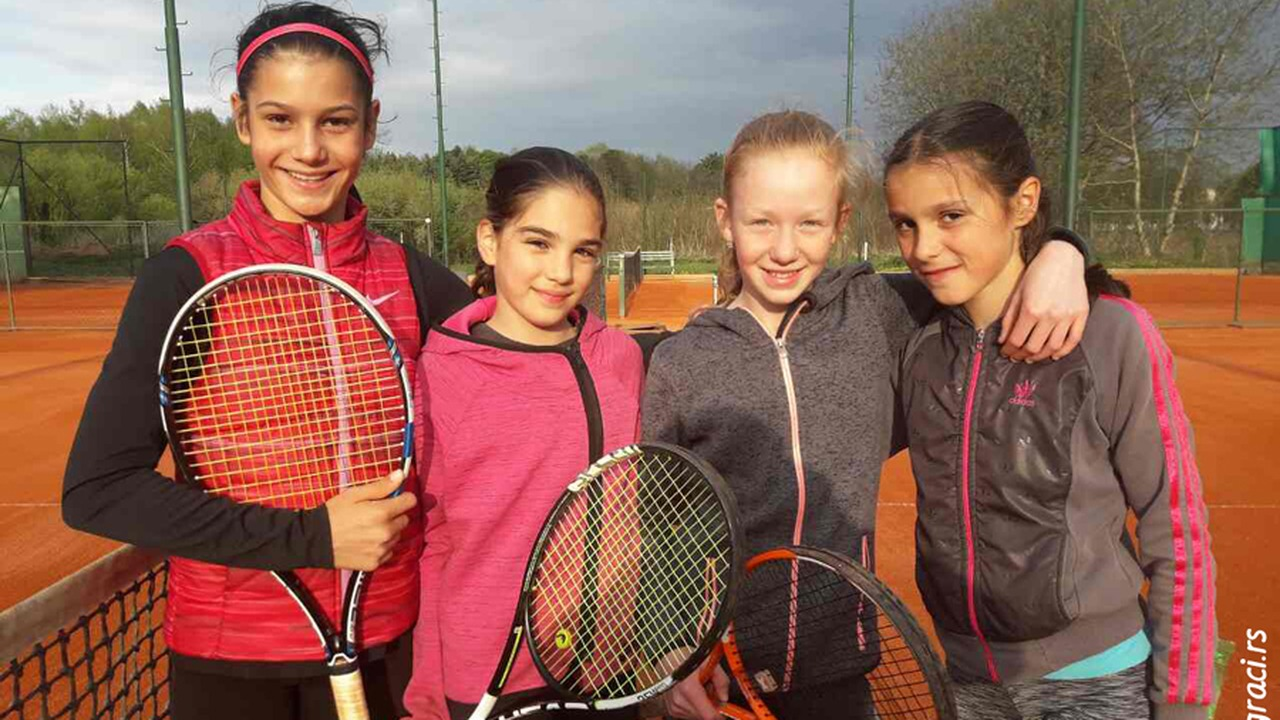
- Author: SerbianSport
- SerbianSport
The J300 Pančevo junior tennis tournament begins its singles main draws on 17 August. The event runs until 23 August at SRC Mladost and Tennis Club Dinamo Pančevo. Boys and girls compete on outdoor clay courts.
Each singles main draw contains thirty-two players. The doubles draws contain sixteen teams in each competition. The programme gives Serbian junior players a strong international event without leaving the country.
The J300 category brings a demanding junior field
J300 events sit high on the international junior calendar. They offer more ranking points than lower-category tournaments. That level normally attracts players with experience from several countries. The main draw uses a direct elimination format. One defeat ends a player's singles run. A junior therefore needs to manage the opening match without expecting time to settle over several group games.
Serbian players receive an opportunity to face international opponents on familiar clay. Home conditions remove a long journey, but they do not reduce the quality of the draw. The boys' and girls' events follow the same draw sizes. This gives both competitions a clear route from the first round to the final. Results are recorded through the international junior system.
| Category | Players or pairs |
|---|---|
| Junior boys - singles | 32 players |
| Junior girls - singles | 32 players |
| Junior boys - doubles | 16 pairs |
| Junior girls - doubles | 16 pairs |
Clay rewards patient point construction
Outdoor clay slows the ball and produces a higher bounce than many hard courts. Players often receive more time before contact. They also need several accurate shots to finish a point.
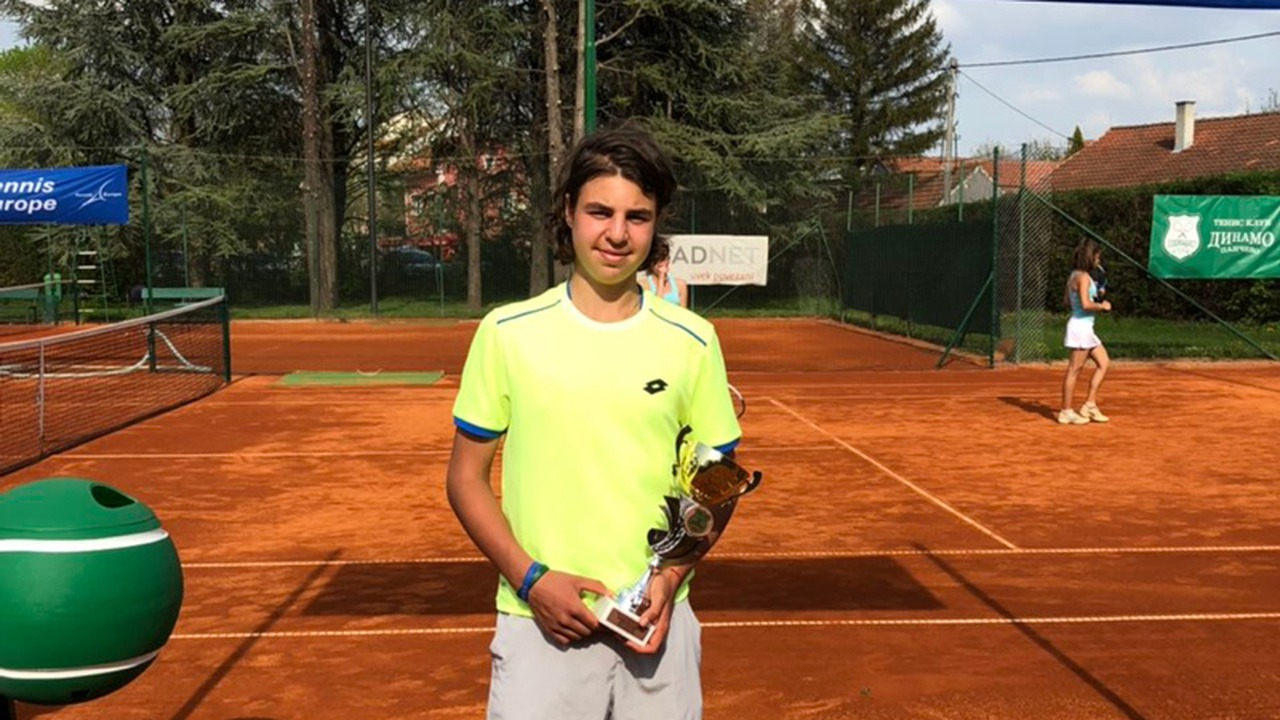
Two junior players hold their trophies after matches in Pančevo.
Movement remains a major part of the surface. A player must slide with balance and recover toward the centre. Poor recovery leaves an open court even after a strong first shot.
Serve placement matters more than raw speed alone. A well-directed serve can open the next forehand. A predictable serve allows the returner to begin the point on level terms. Weather can alter the court during the week. Heat makes the surface faster and drier, while rain can make it heavier. Players adjust footwork and string tension without changing their entire game.
Singles and doubles require different decisions
Singles players cover the full court and build points through space. Doubles reduces the available gaps because two opponents protect the court. Returns and first volleys gain more importance. A player can enter both draws during the same week. That creates a busy schedule when several rounds are played on consecutive days. Recovery and meal timing then support the tennis work.
Doubles also develops communication between the two partners during every point. They choose who takes the middle ball and how they move after the serve. Clear calls prevent hesitation at the net. The tournament lists sixteen doubles teams for boys and sixteen for girls. Those brackets provide additional competitive matches even when a singles run ends early.
Pančevo gives Serbian juniors a visible home event
The venue is located at SRC Mladost in Pančevo. Mladen Vuković is listed as tournament director. The official ball is the Head Tour XT. These details matter because the event is part of a regulated international calendar.
Sign-in, draws and match records follow set procedures. Players know where and when each stage begins.
A home J300 tournament helps Serbian clubs measure their athletes against an international field. The useful evidence comes from real points and completed matches rather than training results. The week begins with two thirty-two-player singles draws. Every player has a separate route through the tournament draw. Serbian juniors now receive a direct test on clay in Pančevo.
Qualifying began before the main-draw date
The qualifying competition began on 15 August, two days before the main draw. Players outside the direct entry list had to win their route into Monday's bracket. That created competitive court time before the headline start date. Qualifiers can enter the main draw with useful match rhythm. They may also carry more physical load than a player who qualified directly. Recovery after the final qualifying round matters before the next match.
The official withdrawal deadline passed on 4 August. Later changes follow the tournament rules.
Junior ranking points depend on completed rounds
A player's ranking return depends on the round reached and the category of the event. A first-round win therefore has a defined value beyond the single match. Deeper progress adds more ranking points. The ranking helps determine entry into future tournaments. It does not guarantee an easy draw. A highly placed junior can still meet an opponent in strong current form.
Pančevo provides one week of recorded evidence. The final list will show who handled clay, consecutive days and direct elimination most effectively.
Discuss the news - leave a comment!
Go to comments ↓
Comments
0