Jakovljevic and Vjestica reach the Mediterranean Games K1 1000 m final
- Author: SerbianSport
- SerbianSport
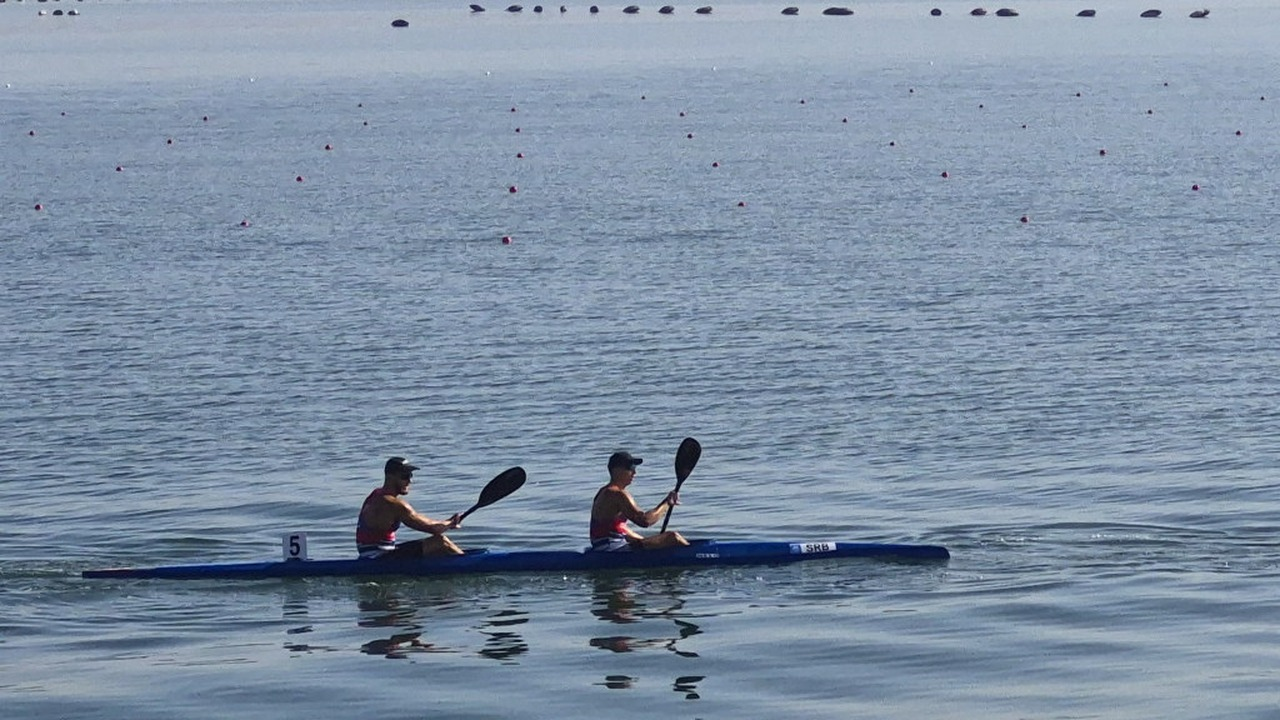
Serbian kayakers Zarko Jakovljevic and Veljko Vjestica qualified for the K1 1000 m final at the Mediterranean Games on 22 August. Jakovljevic won his semifinal in 3:54.35, while Vjestica finished third in the same race. Serbia will have two boats in Sunday's final.
Qualification is an important result, but the final creates a new race. Each athlete must recover, review the useful parts of the earlier performance and return with a clear plan for the lane conditions.
The qualifying race established a reliable base
A paddler needs a strong start without using all available energy in the first metres. The boat must accelerate cleanly and settle into a pace that can be maintained. Jakovljevic and Vjestica completed the first task by reaching the final. The result confirms that both Serbian athletes could manage the pressure and the required pace in the semifinal.
Their coaches can now study stroke rhythm, direction and the final part of each race. Small corrections are more useful than changing a successful technique before the final.
Recovery begins as soon as the first race ends
Athletes need fluid, food and controlled movement after leaving the water.
The goal is to restore energy without allowing the body to become stiff before the next start. Mental recovery also matters. Replaying every second of the qualifier can create unnecessary tension. A short review should identify a few specific points and then allow the athlete to rest.
Equipment checks remove another source of risk. Paddle, seat and boat settings should remain familiar unless the team has found a clear technical problem.
- Restore fluid and energy
- Review only the most useful race details
- Check the boat and paddle
- Inspect the latest water conditions
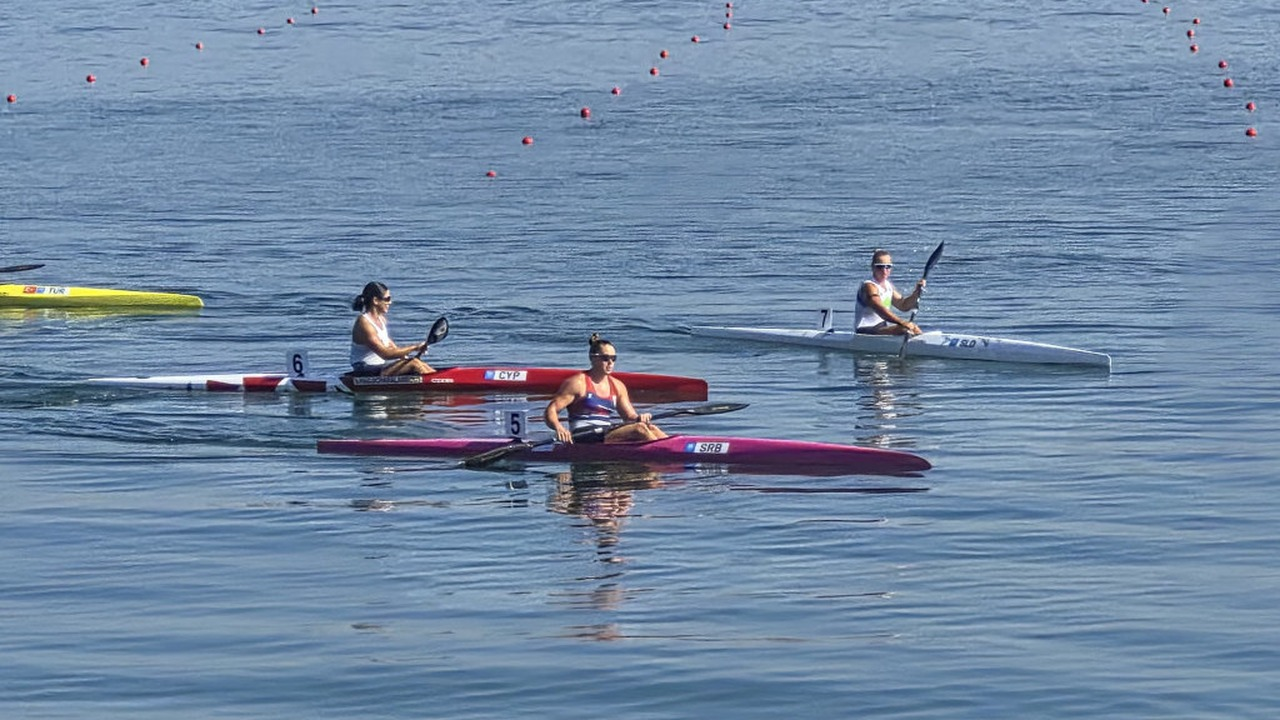
The Serbian paddlers prepare for their Mediterranean Games finals.
Lane and weather conditions can change the final
Wind and water movement can affect direction and rhythm. Athletes should inspect the course close to the race instead of relying only on conditions from the morning. A final also includes stronger nearby pressure from nearby boats. Each Serbian paddler must keep attention on personal rhythm rather than copying every early acceleration.
The closing phase should use the energy that remains. A well-timed increase can gain a position, while an attack started too early may reduce boat speed before the line.
Two final places strengthen Serbia's programme
Every final gives the Serbian team a chance to compete for a medal and collect experience in a major multi-sport event. The places also reward the daily work completed before the Games. Jakovljevic and Vjestica do not need identical race plans. Their lanes and personal strengths can demand different decisions. Each athlete should use the approach prepared with his coach.
Serbia now has two clear reasons to follow the final programme. Calm starts, stable rhythm and accurate finishes can turn successful qualification into an even stronger result.
A final rewards an efficient stroke
Boat speed does not come only from a faster rhythm. Each stroke needs clean contact with the water and a stable transfer of force. A rushed movement can use more energy without increasing speed. The athlete's posture keeps the boat balanced. Unnecessary movement creates resistance and makes it harder to hold a straight line. Technical calm is especially useful when nearby competitors accelerate. Coaches can use split times to identify where each race changed.
The numbers should support what the athlete felt on the water. Neither source is complete by itself.
In the final, Jakovljevic and Vjestica need efficiency before the last acceleration. Saving energy through clean technique gives each paddler a stronger chance to finish at full speed. The procedure before the start requires full attention. Each athlete must place the boat correctly, listen for the command and avoid movement that could bring a penalty. A calm routine reduces tension. Once the signal arrives, the paddler can focus on acceleration rather than correcting a poor starting position. A final result depends on execution on the water. The qualification provides confidence, while the next start asks both Serbian paddlers to repeat their strongest technical habits under greater pressure. Wind and movement from the other lanes may change the feel of the boat. Jakovljevic and Vjestica need to keep their own rhythm, hold a straight course and leave enough strength for the final part of the race.
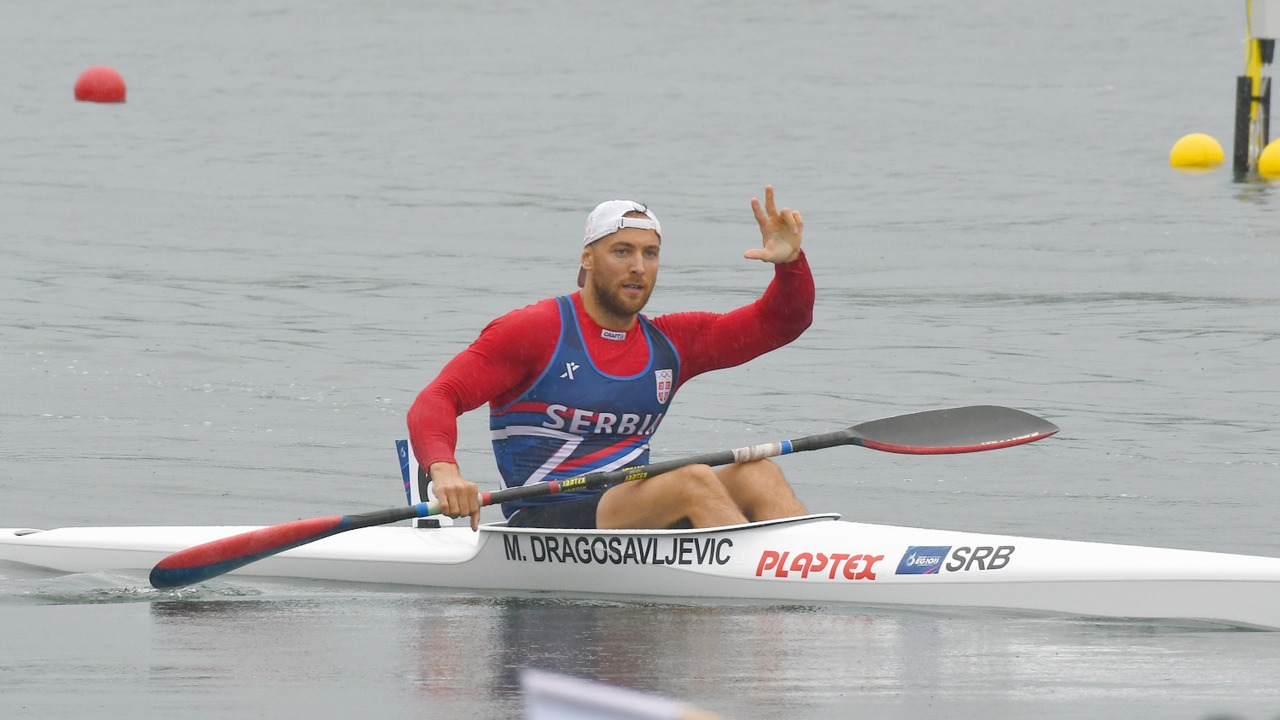
Serbia will have two paddlers in the Mediterranean Games K1 1000 m final.
Discuss the news - leave a comment!
Go to comments ↓
Comments
0