De Bleeckere's FSS role puts Serbian refereeing under a clearer lens
- Author: SerbianSport
- SerbianSport
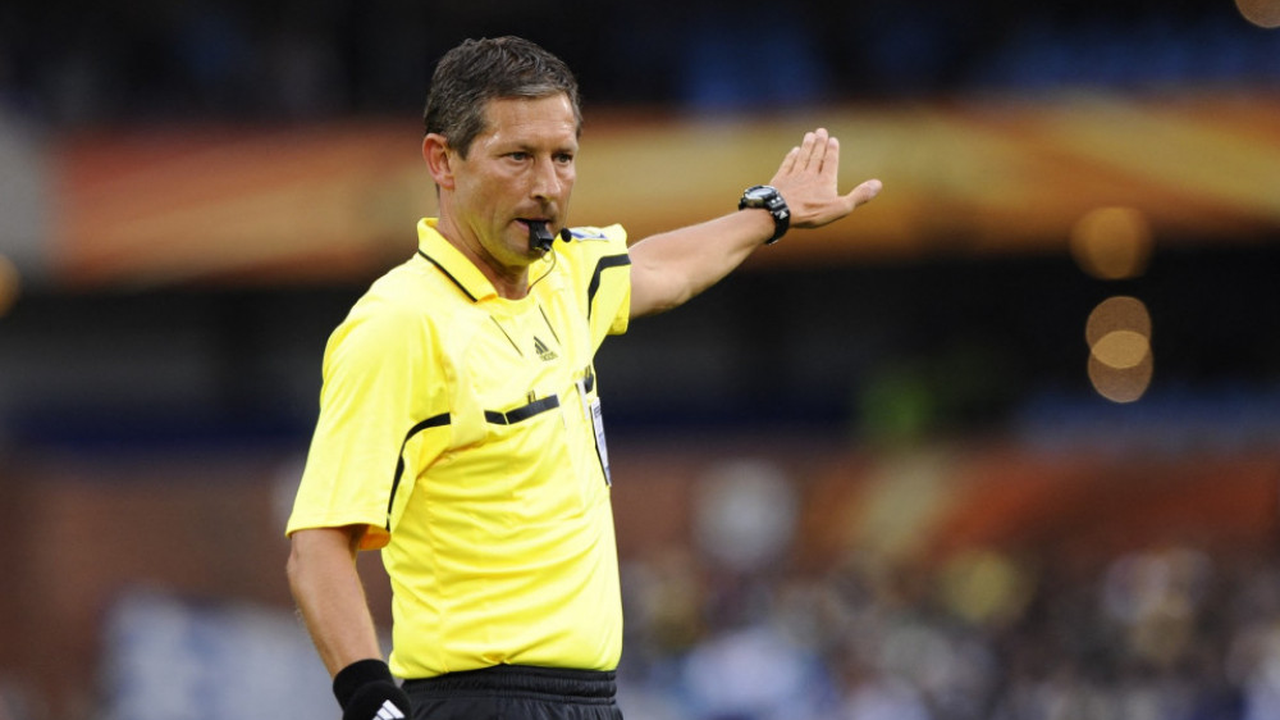
Frank De Bleeckere's appointment to lead the Football Association of Serbia's refereeing commission gives the SuperLiga a clear administrative story before the new season. It is not a signing, but it can still affect the tone of the league.
The former elite referee brings international authority into an area where trust matters every weekend. The first test will be whether the role produces clearer standards, not only a strong name on the announcement.
The timing is useful
The appointment lands before the league rhythm hardens. That gives the commission a chance to set language, expectations and review habits before the first controversial weekend arrives.
If the first public explanations are clear, clubs may still disagree, but the argument can at least start from known standards.
Authority has to become process
De Bleeckere's name carries weight because of his refereeing career. That reputation matters, but it will not solve Serbian refereeing by itself.
The practical work is process: appointments, education, review, communication and the way errors are handled after matches.
VAR needs the same language every week
Supporters lose trust when similar incidents appear to receive different explanations. The new commission has to make those lines easier to understand.
That does not mean every decision becomes popular. It means the league should be able to explain why a threshold was met or why it was not.
| Signal | Meaning |
|---|---|
| New role | Head of the FSS refereeing commission |
| Key task | Turn authority into clear weekly process |
| Main test | Consistent VAR and disciplinary thresholds |
| Best outcome | More trust, fewer chaotic post-match arguments |
Clubs will test the tone quickly
Serbian clubs are not patient when refereeing decisions shape points. The new leadership will be tested by the first big penalty appeal, red-card debate or VAR delay.
The response to that moment will matter more than the appointment statement. Calm, specific explanation is the only useful answer.
Young referees need protection and pressure
A better commission should protect young referees from noise while still holding them to serious standards. Those two ideas can exist together.
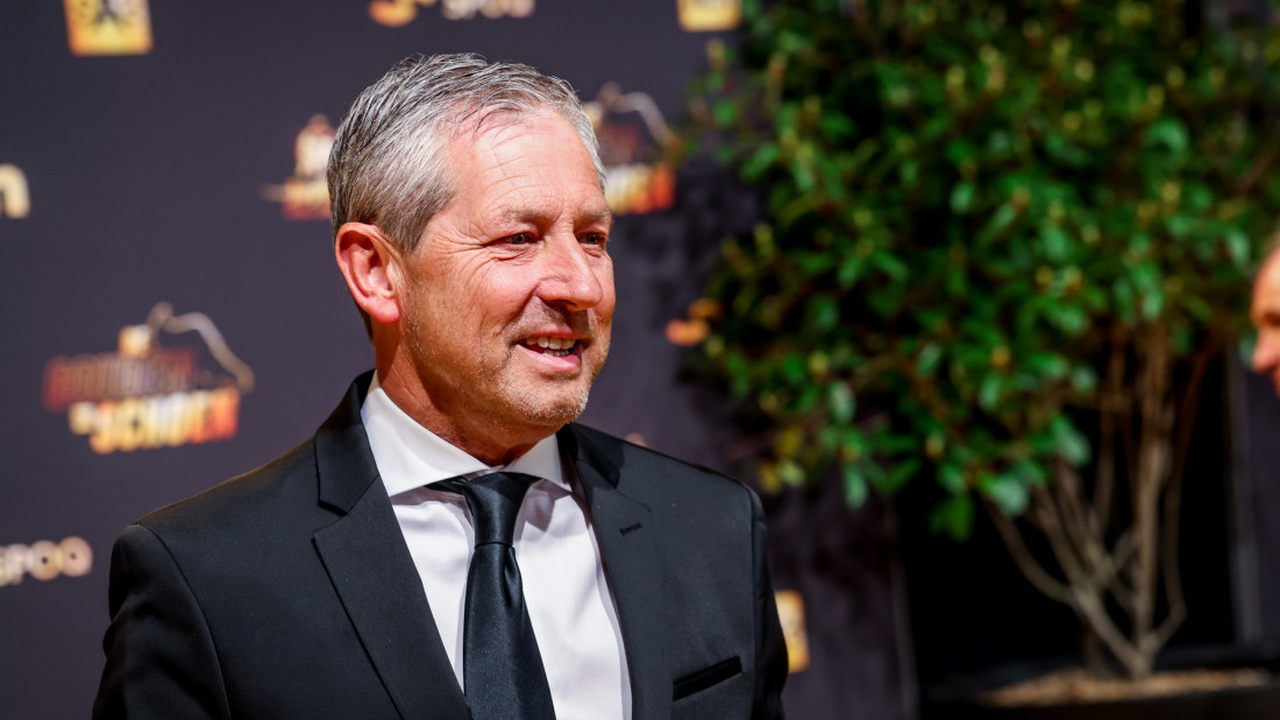
Frank De Bleeckere at a football event
If young officials feel abandoned after every mistake, development slows. If mistakes have no consequence, trust disappears.
The league needs visible consistency
The best outcome is not a season with no errors. Football will never offer that. The best outcome is visible consistency and a public feeling that review is honest.
That would give Serbian football a quieter platform. The less time the league spends on refereeing anger, the more space the football itself gets.
What the referee project has to show
The referee project only works if it changes weekly habits, not only public language. Serbian football needs clearer standards that players, coaches and supporters can recognize from one round to the next.
A foreign expert can help by bringing distance. That distance is useful only if it turns into training, assessment and communication that local referees can use under pressure. The name alone does not fix the problem.
The hardest part will be consistency. One well-managed derby or one public seminar will not be enough. The real test is whether ordinary league matches begin to look cleaner in the same types of contact, dissent and VAR moments.
For SerbianSport, the story matters because refereeing affects the whole football environment. Better decisions do not remove debate, but they can make the debate less chaotic and give the league a clearer standard.
What the FSS role must change
De Bleeckere's work with the FSS will be judged by weekly decisions, not by the appointment alone. Referees need clear instructions on contact in the box, dissent, time-wasting and VAR intervention. The same type of incident has to receive the same explanation.

Serbian football officials at an awards event
Training is only one part of the task. Match appointments, post-match review and public communication have to work together. If a referee is corrected privately but clubs hear nothing clear, the league still loses trust after the next difficult decision.
Young officials need a route that includes both protection and pressure. They should not be abandoned after one error, but they also need serious standards. A better commission can help by separating development mistakes from repeated judgement problems.
The first league rounds will show whether the new role has practical weight. Cleaner VAR thresholds, faster explanations and more consistent disciplinary calls would reduce the chaos that often follows close Serbian football matches.
The FSS also has to decide how much explanation it gives after controversial rounds. Short public notes can reduce confusion if they are consistent and specific. Silence usually leaves clubs to fill the gap with their own version of the decision.
A better refereeing structure should help the league before the biggest matches arrive. If ordinary fixtures get clearer standards first, derbies and European-place matches will be easier to manage because players already know where the line is.
Communication with clubs will be important before the season becomes tense. If captains and coaches hear the same instructions before the first big controversy, match officials have a better chance of managing dissent without turning every decision into a confrontation.
Penalty-area contact will be the hardest early test. If one type of challenge is judged one way in August and another way in September, the same pressure will return. The FSS needs the line to be clear before the matches with the largest crowds arrive.
Discuss the news - leave a comment!
Go to comments ↓
Comments
0